
Ear Specialist or ENT Doctor: Who Should You See for Hearing Issues?
If you’ve been noticing a gradual decline in your hearing, a persistent ringing in your ears, or sudden discomfort when sounds become too loud, you’re not alone. Hearing problems affect people of all ages in Singapore—from children with frequent ear infections to adults experiencing age-related hearing loss.
But when it’s time to seek help, a common question arises: Should you see an ear specialist or an ENT doctor? Is there a difference between the two? And how do you know which professional is the right one for your specific condition?
This blog breaks down the roles of ear specialists and ENT doctors, helping you understand where to go, what to expect, and how to take control of your hearing health in Singapore.
Understanding the Basics: Who’s Who?
What Is an ENT Doctor?
An ENT doctor, also known as an Otolaryngologist, is a medical specialist trained to diagnose and treat conditions affecting the ears, nose, throat, as well as related structures in the head and neck.
ENT doctors in Singapore are regulated under the Ministry of Health (MOH) and have extensive training in:
- Ear infections and hearing loss
- Sinus problems and nasal allergies
- Voice and swallowing disorders
- Tonsillitis, sleep apnoea, and snoring
- Head and neck lumps or cancers
What Is an Ear Specialist?
In medical practice, the term “ear specialist” usually refers to:
- An ENT doctor who subspecialises in otology—the study and treatment of ear diseases, especially hearing and balance disorders.
- An audiologist—a non-medical professional trained in diagnosing hearing and balance disorders through tests and rehabilitation techniques.
Thus, the term “ear specialist” may be used interchangeably depending on context—but for medical treatment, diagnosis, and surgical interventions, an ENT doctor is the specialist you should see.
Types of Hearing Problems ENT Doctors Manage
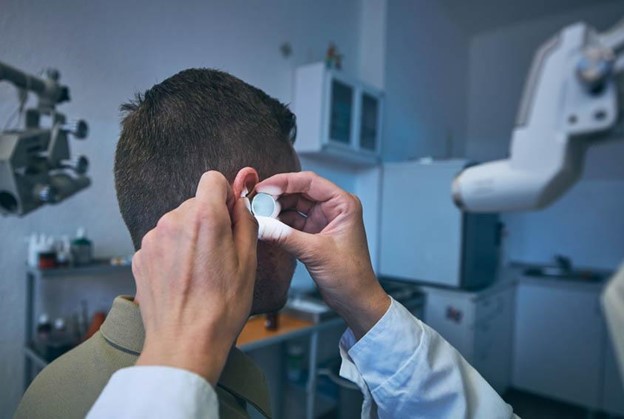
ENT doctors are trained to manage a wide range of hearing-related conditions, including:
- Conductive hearing loss – caused by problems in the outer or middle ear (e.g. wax blockage, eardrum perforation, fluid buildup)
- Sensorineural hearing loss – due to damage in the inner ear or auditory nerve (e.g. age-related hearing loss, noise damage)
- Mixed hearing loss – combination of both
- Tinnitus – ringing or buzzing in the ears
- Ear infections – including swimmer’s ear, otitis media
- Balance disorders – vertigo, dizziness due to inner ear issues
- Congenital hearing loss in children
- Eardrum or ossicle damage from trauma or chronic infections
Singapore ENT clinic is well-equipped with diagnostic tools such as otoscopes, tympanometry machines, and hearing test booths, enabling specialists to evaluate your symptoms comprehensively.
When Should You See an ENT Doctor for Hearing Issues?
Here are some warning signs that indicate it’s time to book an appointment with an ENT doctor:
1. Sudden Hearing Loss
If your hearing drops suddenly in one or both ears—especially within a few hours or overnight—this is a medical emergency. Early treatment within 72 hours is crucial to prevent permanent damage.
2. Persistent Tinnitus
Ongoing ringing, buzzing, or hissing in your ears that doesn’t go away after a few days may indicate inner ear damage or circulatory problems.
3. Difficulty Hearing Conversations
If you’re finding it hard to follow conversations in noisy environments or asking people to repeat themselves frequently, you may have progressive hearing loss.
4. Ear Fullness or Pain
Feeling of pressure, pain, or fluid in your ears may suggest an infection or Eustachian tube dysfunction.
5. Balance Problems or Dizziness
Issues like vertigo or unsteadiness, especially when accompanied by hearing changes, may be linked to inner ear problems like Meniere’s disease or vestibular neuritis.
6. Frequent Ear Infections
Recurring ear infections, particularly in children or those with sinus issues, should be evaluated by an ENT to prevent complications like hearing loss or eardrum damage.
What Will the ENT Doctor Do?

At your first visit to an ENT clinic in Singapore, the doctor will typically perform the following:
1. Detailed Medical History
You’ll be asked about your symptoms, duration, any triggering factors, exposure to noise, or history of infections.
2. Physical Examination
The doctor will examine your ears using an otoscope, check for fluid, wax, or structural issues, and may examine your nose and throat to look for related concerns.
3. Hearing Tests
You may be referred for tests such as:
- Pure Tone Audiometry (PTA) – assesses hearing thresholds
- Tympanometry – evaluates eardrum function and middle ear pressure
- Otoacoustic Emissions (OAE) – especially for infants or cochlear assessment
- Auditory Brainstem Response (ABR) – for nerve pathway evaluation
Most ENT clinics in Singapore have in-house audiologists who conduct these tests and work closely with the ENT doctor.
4. Imaging
If tumours, bone growths (like otosclerosis), or nerve-related conditions are suspected, you may undergo imaging (e.g., MRI or CT scan).
What’s the Role of an Audiologist?

An audiologist is a trained professional (non-MBBS) specialising in hearing evaluation and rehabilitation. Audiologists:
- Conduct detailed hearing and balance tests
- Fit and calibrate hearing aids
- Counsel patients on communication strategies
- Support ENT doctors with diagnosis
- Provide post-surgical hearing rehabilitation (e.g., after cochlear implants)
In Singapore, audiologists typically work in public hospitals, private ENT clinics, or hearing care centres.
Key point: An audiologist does not treat medical conditions or prescribe medications. For that, you need an ENT doctor.
Common Treatments ENT Doctors Offer for Hearing Conditions
Treatment depends on the cause of the hearing loss:
1. Medical Treatment
- Antibiotics or antifungal ear drops for infections
- Oral steroids for sudden hearing loss
- Antihistamines or nasal sprays for Eustachian tube dysfunction
- Ear wax removal using micro-suction
2. Surgical Treatment
- Myringotomy and grommet insertion (especially in children with fluid buildup)
- Tympanoplasty (eardrum repair)
- Stapedectomy for otosclerosis
- Cochlear implant surgery for profound sensorineural hearing loss
- Bone-anchored hearing aids (BAHA)
3. Hearing Aids and Assistive Devices
- Provided and fitted in collaboration with audiologists
- ENT doctors assess suitability and offer referral if needed
Public vs Private ENT Clinics in Singapore: What to Consider

| Feature | Public Hospitals | Private ENT Clinics |
|---|---|---|
| Access | Requires referral from polyclinic or GP | No referral needed |
| Waiting Time | Longer (1–3 weeks) | Shorter (same day to 3 days) |
| Cost | Subsidised | Higher |
| Medisave/Insurance | Claimable | Claimable |
| Audiologist Availability | In-house | In-house or partner audiologists |
If you need urgent assessment, consider going to a private ENT clinic. For ongoing support or surgery, public hospitals provide high-quality care with more affordable options under government subsidy.
Cost of ENT Visit and Hearing Tests in Singapore
| Service | Public (Subsidised) | Private |
|---|---|---|
| ENT Consultation | S$35–S$90 | S$120–S$250 |
| Hearing Test (PTA) | S$20–S$60 | S$100–S$180 |
| Ear wax removal | S$20–S$40 | S$80–S$150 |
| Cochlear Implant Surgery | Medisave + subsidies | S$25,000–S$40,000 |
Note: Actual costs vary. Always confirm with the clinic.
FAQs: Hearing Loss & Specialists in Singapore
Q: Should I go to an audiologist first or ENT?
A: For hearing tests, you may visit an audiologist. However, for medical diagnosis or treatment, start with an ENT doctor.
Q: Can hearing loss be reversed?
A: Conductive hearing loss is often treatable. Sensorineural hearing loss may not be reversible but can be managed with hearing aids or implants.
Q: Is ENT treatment covered by Medisave?
A: Yes. Many ENT procedures, including surgery, are Medisave-claimable. Consult your provider.
Q: Are children treated at ENT clinics too?
A: Yes, paediatric ENT specialists manage children with ear infections, hearing loss, speech delays, and more.
Conclusion: Who Should You See for Hearing Issues?
If you’re experiencing hearing problems, the best place to start is with an ENT doctor. They are qualified to:
- Diagnose both minor and complex hearing conditions
- Provide medical or surgical treatment
- Refer you to audiologists for rehabilitation if needed
Ear specialists—whether they are ENT doctors with a focus on otology or audiologists—play different roles in your hearing care. Understanding their differences ensures you get the right treatment at the right time.
In Singapore, access to ENT and audiology services is easy and efficient. Don’t wait until your hearing deteriorates further—early evaluation can make all the difference to your long-term quality of life. Book an appointment with an ENT Clinic in Singapore today.