Hearing Loss: Prevention, Diagnosis, and the Latest Treatment Options
Hearing loss is a common condition that affects millions of people worldwide. It can range from mild, where only certain sounds are difficult to hear, to severe, where all sounds may be inaudible.
The causes of hearing loss can vary from genetic conditions or diseases, aging, exposure to loud noises over time, or certain medications.
It is important to understand the possible causes of hearing loss as well as strategies for prevention and treatment to ensure that you maintain your hearing health.
Causes and Risk Factors for Hearing Loss
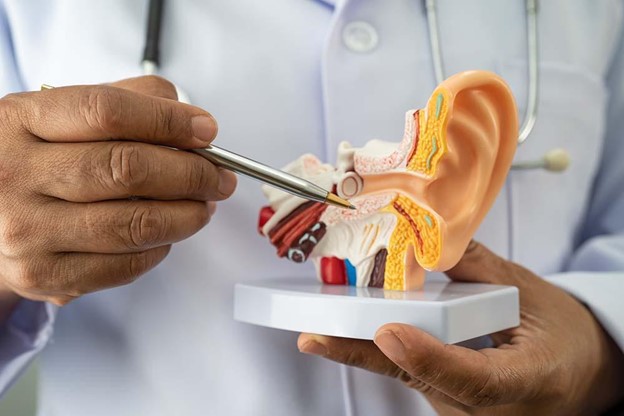
Several different factors can increase your risk of developing hearing loss. Age-related hearing loss, or presbycusis, is one of the most common types.
It is caused by natural changes in the ear that occur over time and can lead to a gradual decline in hearing ability.
Other causes include exposure to loud noises over time, certain medications, genetic conditions, and head or ear injury.
Prevention Strategies for Hearing Loss
Wear earplugs or noise-cancelling headphones
One of the easiest ways to protect your hearing is to wear earplugs or noise-cancelling headphones in loud environments.
This includes concerts, sporting events, and construction sites. Earplugs and noise-cancelling headphones help to reduce the amount of noise that enters your ears, which can prevent damage to your hearing.
Keep the volume low
Whether you’re listening to music on headphones or watching TV, it’s important to keep the volume at a reasonable level. Listening to music or other sounds at high volumes can damage your hearing over time.
A good rule of thumb is to keep the volume at no more than 60% of the maximum level.
Take breaks from loud environments
If you work in a noisy environment, such as a factory or construction site, take breaks to give your ears a break. This will allow your ears to recover from the noise exposure and prevent damage to your hearing.
Get your hearing checked regularly
Regular hearing checks are important for detecting early signs of hearing loss. If you notice any changes in your hearing, such as difficulty understanding conversations or ringing in your ears, make an appointment with your local audiologist.
Avoid using cotton swabs in your ears
Cotton swabs can push wax deeper into your ear canal, which can lead to blockages and damage to your ear drum. Instead of using cotton swabs, use a gentle stream of warm water to clean your ears.
Use caution when listening to music
Listening to music is one of life’s great pleasures, but it’s important to do so in a responsible way. When listening to music, use headphones or earbuds that fit properly and keep the volume at a safe level.

Use ear protection when using power tools
If you use power tools, such as chainsaws or drills, make sure to wear ear protection. This will help to prevent damage to your hearing from the loud noise.
Avoid smoking and excessive alcohol consumption
Smoking and excessive alcohol consumption can both contribute to hearing loss. To protect your hearing, it’s important to avoid smoking and limit your alcohol consumption.
Stay hydrated
Staying properly hydrated can help to prevent damage to your hearing. This is because dehydration can reduce the flow of blood to the ears, which can lead to hearing loss.
Exercise regularly
Regular exercise can improve circulation and blood flow throughout your body, which can help to prevent damage to your hearing. Aim for at least 30 minutes of exercise every day.
Diagnosis Processes for Hearing Loss
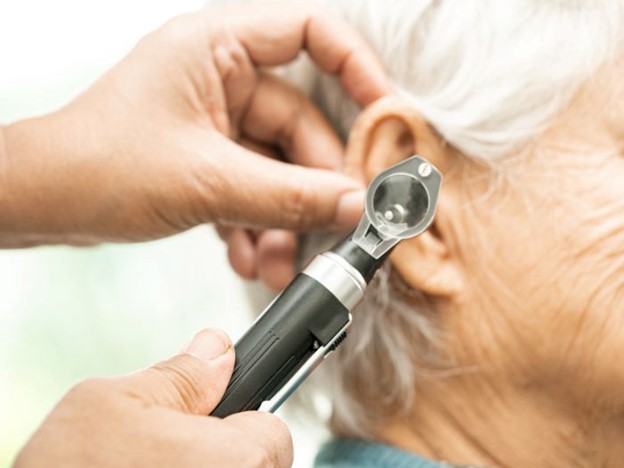
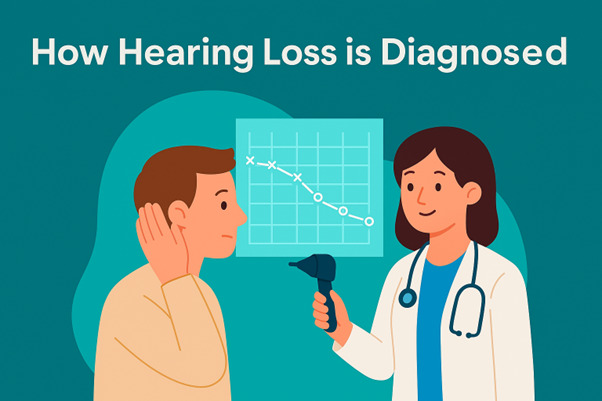
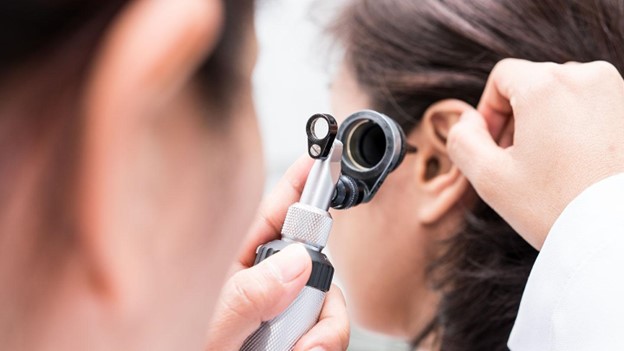
If you suspect you have hearing loss, the first step is to get a complete hearing evaluation from an audiologist or ENT specialist.
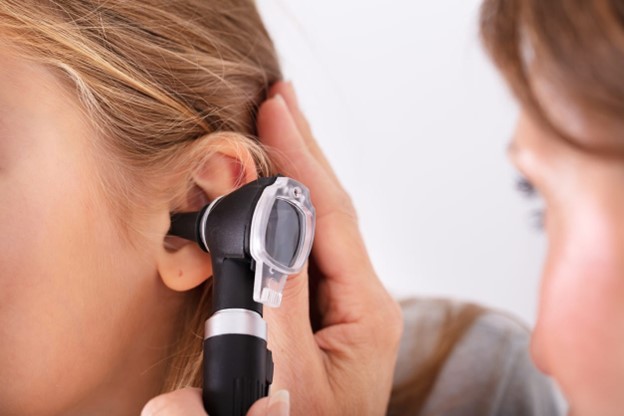
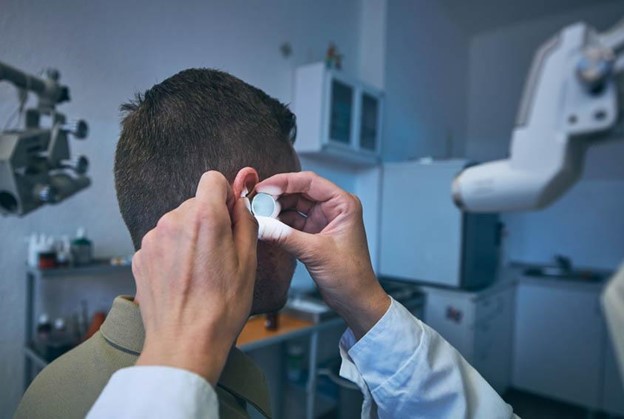
During this process, your doctor will take a detailed medical history and perform a physical examination of your ears.
They may also administer a series of hearing tests that measure both the intensity and sound quality you can detect.
This information will be used to make an official diagnosis of your degree of hearing loss.
Overview of Treatment Options for Hearing Loss
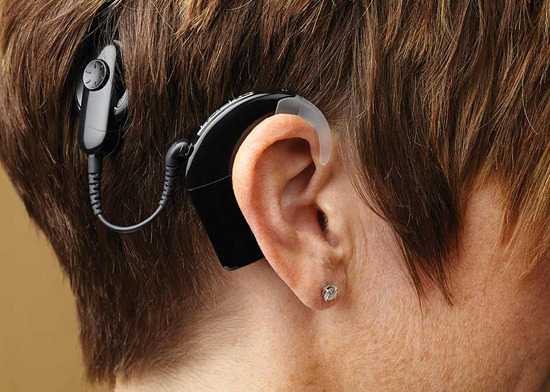
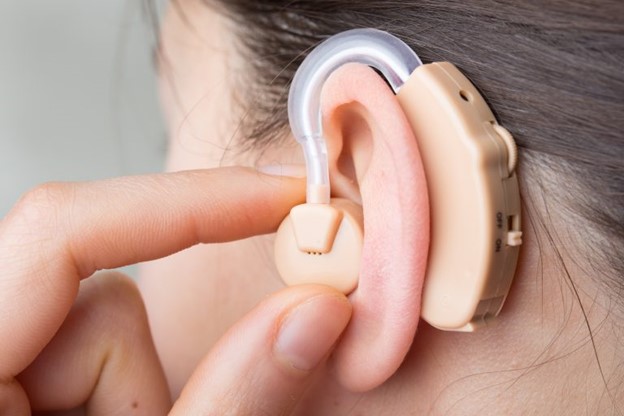
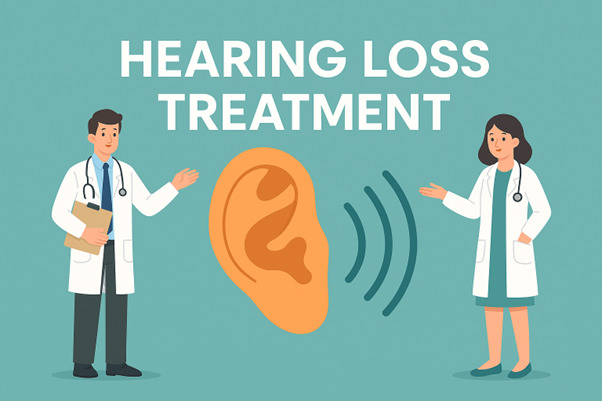
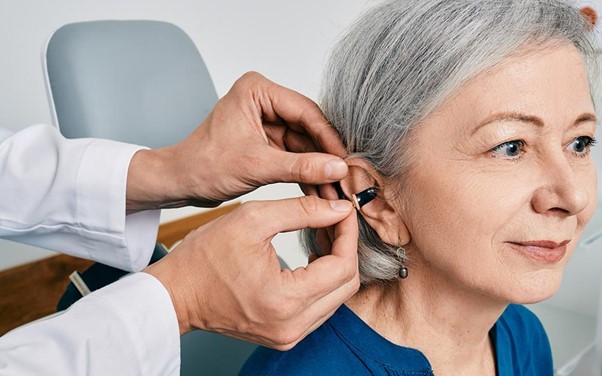
The type and severity of hearing loss will determine the best course of treatment. In many cases, hearing aids can be used to amplify sound and make it easier for you to hear.
Other options include cochlear implants or bone-anchored hearing aids which are surgically implanted in the ear.

Additionally, there are various forms of assistive listening devices available that can help those with more severe hearing loss.
Latest Breakthroughs in Treating Hearing Loss
Researchers are constantly developing new technologies and treatments for those with hearing loss.
In recent years, several advances have been made, including the development of better hearing aids with improved sound quality, sophisticated cochlear implants that can even detect speech patterns, and more advanced forms of assistive listening devices.
Conclusion
Hearing loss is a widespread condition that affects millions of people worldwide. It is important to understand the different causes and risk factors as well as take preventive measures to protect your hearing health.
If you think that you may be experiencing hearing loss, it is important to get a complete evaluation and follow any recommendations your doctor gives to find the best course of treatment.
Finally, many breakthroughs are being made in the field of treating hearing loss, which may provide additional solutions in the future.
Learn more.